
Planning a big bash means keeping a million moving parts in line. You have to lock down the perfect spot, deal with vendors, and sort out how guests will get there. However, a lot of planners completely forget how the venue type changes the whole cleaning game afterward. The actual space plays a huge role in where trash piles up and how fast it spreads during the day. If you do not change your cleanup plan for indoor versus outdoor spaces, you could face massive damage fines.
A smart waste plan keeps your venue looking sharp and keeps your guests happy from start to finish. Indoor spots give you total control over the weather but have tight spaces and carpets that stain easily. Outdoor areas give you tons of room to move but expose your party to wild weather and flying litter. Learning how these different spaces work lets you put your workers in the right spots before the first guest walks in.
Controlled Chaos Under a Solid Roof
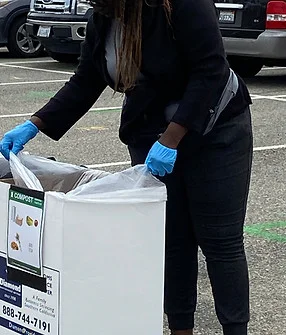
Indoor venues give you a predictable space that protects your party from sudden rain or crazy winds. However, partying inside means you are stuck working within tight walls and strict space limits. What specific issues do teams face when they are trying to manage trash inside a build? They have to protect expensive floors, stop bad smells from trapped air, and keep fire exits clear.
Managing indoor trash takes a highly strategic map because you cannot just push the walls back when things get crowded. Hallways and main doors can jam up fast when trash bins fill past their brims. Spill responses have to happen in a flash because liquids soak into rugs or warp wood floors in minutes. Keeping workers stationed near heavy food zones stops people from tracking sticky messes across the main ballroom floor.
Tackling the Wild Elements in Open Spaces
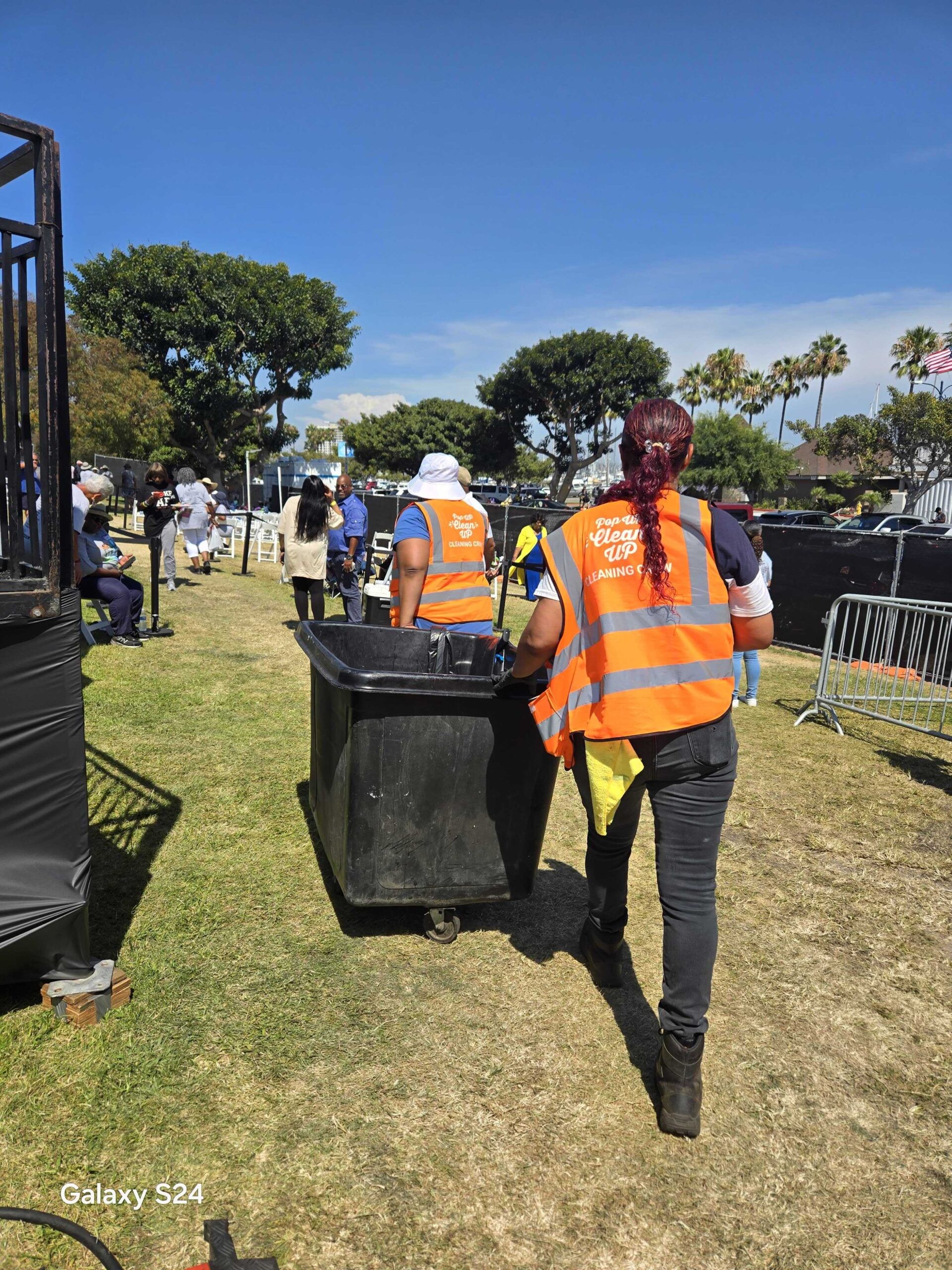
Outdoor events bring an awesome energy, but they also bring a massive logistical headache for cleanup teams. When you get rid of the walls, trash can travel anywhere the wind wants to blow it. How do crews stop an open-air site from turning into a total dump? They use weighted bins, set up secure trash yards, and deploy long lines of workers to sweep the grass.
| Cleanup Element | Indoor Venue Operations | Outdoor Venue Operations |
| Wind & Weather Impact | Zero; fully controlled climate | High; requires anchors and rain lids |
| Litter Dispersion | Contained within rooms and halls | Widespread; spreads across miles |
| Heavy Machinery Use | Banned; restricted to small vacuums | Essential; utilizes trucks and tractors |
| Surface Protection | High priority for carpets and tile | Low priority; focuses on grass recovery |
Open-air sites need way more physical gear to keep waste under wraps throughout the day. People tend to litter a lot more when they are hanging out outside. Without walls around them, guests just assume someone else will pick up their dropped cups and plates. Because of that bad habit, you have to place your trash stations twice as close together as you would inside a building.
Guarding the House Against Interior Scratches and Stains
Indoor buildings have delicate surfaces that need gentle, expert care to avoid huge property repair bills. Hardwood floors, custom rugs, and painted walls can easily chip or stain during a hectic setup. Crews have to use non-marking rubber wheels on all rolling bins to stop ugly black streaks on bright tiles.
Restrooms inside a building also take a massive beating during long, multi-day business shows. Closed rooms trap bad smells and moisture fast, which totally ruins the premium vibe of your event. Dedicated workers must do non-stop loops to scrub counters, empty small baskets, and mop up sink splashes. This constant hustle keeps the indoor air fresh and stops long lines from blocking the hallways.
Playing Defense Against Mother Nature’s Curveballs
Outdoor cleanup plans must always feature a solid backup option for sudden weather shifts. A single afternoon storm can turn a dry grass field into a muddy swamp in seconds. When the ground turns to pure mud, standard trash bins become totally useless because their wheels sink fast. Crews have to pack track mats and heavy utility vehicles to haul heavy bags across soft ground safely.
Wind is another massive enemy that can scatter light plastic cups across a whole park layout. Teams have to use heavy-duty plastic bins fitted with secure, self-closing lids to lock trash down tight. If the site sits near a local creek, crews must set up perimeter netting to catch blowing paper. This extra shield stops loose trash from polluting the water and triggering massive city environment fines.
Master the Art of the Final Sweep
The post-event phase looks completely different depending on the specific venue style you choose to rent. Indoor cleanups focus heavily on deep sanitizing, detailed vacuuming, and returning the rooms to their exact original look. Workers use commercial backpack vacuums to clear out tight rows of seats in a flash. They finish the job by wiping down handrails, door handles, and elevator buttons with strong disinfectants.
Outdoor post-event work looks more like a large-scale rescue mission that can take a few days to finish up. Crews form long lines to walk across acres of grass to catch tiny trash like cigarette butts. Heavy trucks have to haul bulk dumpsters out of the fields without tearing up the sensitive grass. A structured sorting yard is essential so crews can separate wood, plastic, and cardboard before hauling them away.
Leave the Dirty Work to Us
Planning a successful party is stressful enough without worrying about the massive mountain of trash left behind. Whether you are hosting an elegant indoor dinner or a massive outdoor music festival, our experienced teams know exactly how to handle the heat. Let the professionals handle the logistics, protect your venue deposits, and keep your space looking spotless. Contact PopUP CleanUP today to get a top-tier management plan built perfectly for your venue needs.
Frequently Asked Questions
1. How does the number of trash cans change between indoor and outdoor events?
Outdoor events need about double the number of trash bins compared to indoor parties of the same size. Open spaces let crowds spread out further, so bins must stay visible from every single angle to stop littering.
2. What happens if an outdoor event venue gets ruined by rain mud?
Specialized crews use heavy-duty track mats to move gear without digging deep ruts into the wet dirt. They use absorbent organic powders to dry out grease spills and use special rakes to pull trash out of the mud.
3. Can you use the same cleaning chemicals inside and outside?
No, indoor spaces need low-odor, non-toxic sanitizers to protect guests from breathing in harsh chemical fumes. Outdoor cleaning allows for stronger pressure-washing soaps, but these liquids must be biodegradable to protect local plants and soil.
4. How do crews handle recycling sorting at large outdoor festivals?
Teams set up a central sorting yard away from the main public paths. Workers take the bags from the field stations and manually separate clean aluminum cans and plastic bottles so food waste does not ruin the whole batch.