
Events today are bigger and more fun than ever. But they also create a lot of waste. And here’s the deal. In 2026, rules about waste are much stricter. These rules are called landfill diversion laws. They tell event producers how to handle trash the right way.
Ignoring them is not an option anymore. These laws protect the planet and keep events responsible. So, knowing the basics can save money, avoid fines, and make any event look good.
What Are Landfill Diversion Laws?
Let’s Keep It Simple
Landfill diversion laws are rules that stop waste from going straight into landfills. Instead of dumping everything, waste must be sorted.
This means:
- Recycle what can be reused
- Compost food and organic waste
- Reduce unnecessary trash
Think of it like cleaning your room. You don’t throw everything in one pile. You sort things out. Same idea here.
Why These Laws Matter Big Time
It’s More Than Just “Going Green”
Some people think these laws are only about saving the planet. That’s true, but there’s more to it.
If event producers ignore landfill diversion laws, they can face:
- Big fines
- Trouble getting event permits
- Bad reviews or press
- Loss of sponsors
On the other hand, following the rules builds trust. People like events that care about the environment. It’s a win-win.
What Changed in 2026?
Yep, The Rules Got Tougher
Things are not as relaxed as before. In 2026, many places made strict rules.
Here’s a quick look:
| Feature | Old Rules | New Rules (2026) |
| Waste Sorting | Optional | Required |
| Recycling Goals | Flexible | Fixed targets |
| Reporting | Not needed | Must submit reports |
| Composting | Limited | Strongly enforced |
| Vendor Rules | Loose | Strict |
So yeah, no more guessing. Everything must be planned and tracked.
Key Rules Event Producers Must Follow
No Shortcuts Allowed
To follow landfill diversion laws, event producers need a clear plan.
1. Start Planning Early
Waste planning should begin from day one. Not at the last minute.
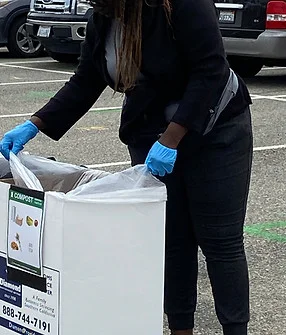
2. Set Up Waste Stations
Use separate bins for:
- Recycling
- Compost
- Landfill
Clear labels help people use the right bin.
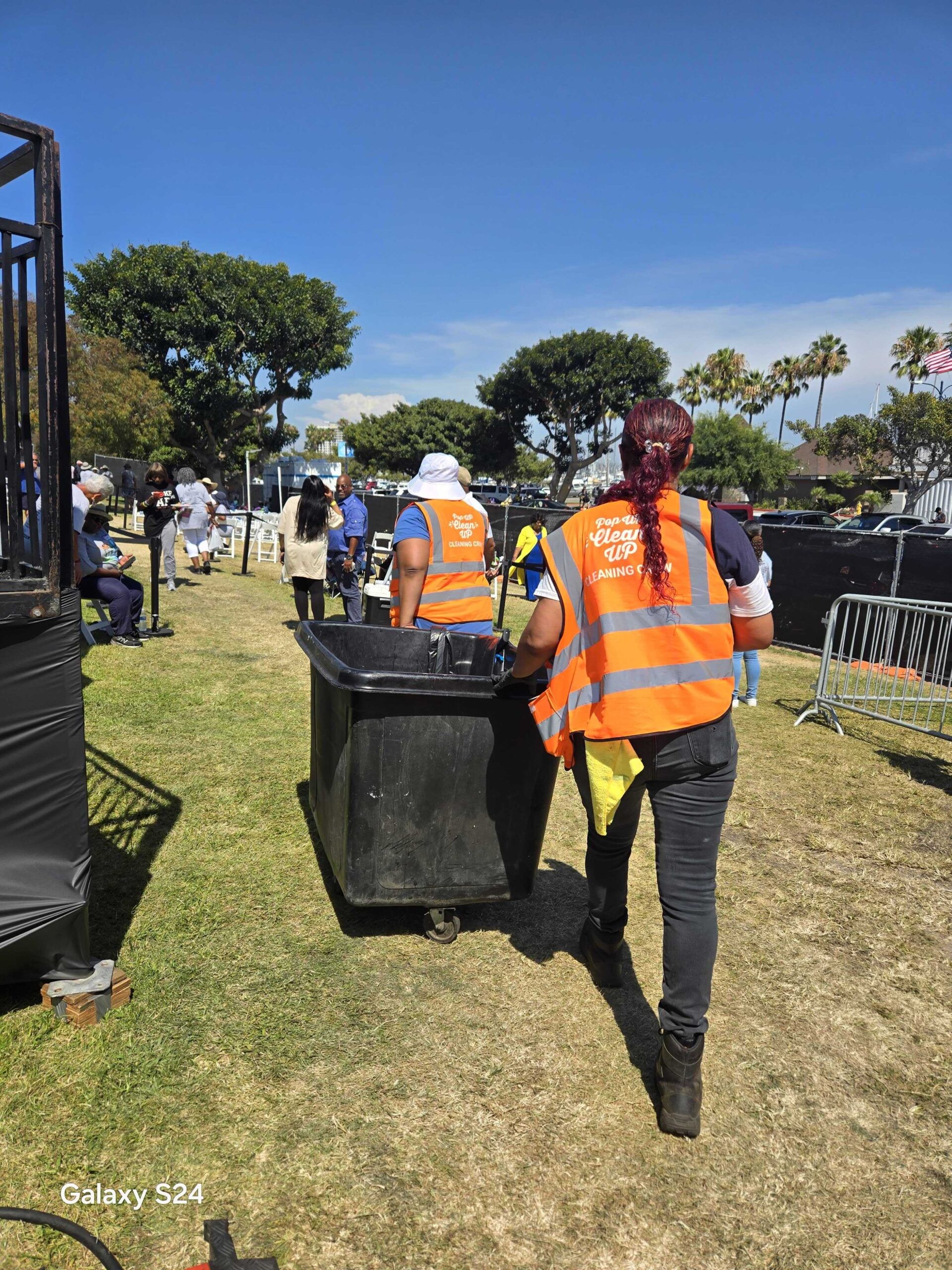
3. Hire the Right Waste Team
Only certified waste handlers should manage waste. This is very important.
4. Train the Crew
Staff and volunteers should know what goes where. A little training goes a long way.
5. Track Everything
Producers must record:
- Total waste
- Recycled waste
- Compost waste
- Landfill waste
No data means no proof of compliance.
Vendors Can Make or Break It
Teamwork Makes the Dream Work
Vendors are a big part of any event. They create a lot of waste too.
To stay compliant:
- Use eco-friendly packaging
- Avoid banned plastics
- Follow waste rules
If vendors mess up, the event takes the blame. So, clear rules are a must.
Common Mistakes to Avoid
Don’t Drop the Ball
Even good teams make mistakes. But these errors can cost a lot.
Watch out for:
- Poor bin placement
- Confusing signs
- Mixing waste types
- No waste tracking
- Ignoring reports
Avoiding these is half the battle won.
Step-by-Step Guide to Stay on Track
Easy Plan, Big Results
Step 1: Before the Event
- Estimate how much waste will be created
- Set clear goals
Step 2: Work With Vendors
- Share waste rules
- Approve materials
Step 3: Set Up the Venue
- Place bins in the right spots
- Add clear labels
Step 4: During the Event
- Monitor waste stations
- Fix mistakes quickly
Step 5: After the Event
- Measure waste data
- Submit reports
Simple steps, but they make a huge difference.
Why Following the Rules Is Totally Worth It
It Pays Off, Literally
Following landfill diversion laws is not just about rules. It brings real benefits:
- Cleaner event spaces
- Happy guests
- Better brand image
- More sponsor interest
- Less long-term cost
People notice when events care. And they remember it.
Cool Tools That Help a Lot
Tech to the Rescue
Modern tools make things easier than ever.
Some useful tools include:
- Waste tracking apps
- Smart bins with QR codes
- Live data dashboards
- AI sorting systems
These tools save time and reduce mistakes.
Challenges You Might Face
Not Always a Walk in the Park
Let’s be real. There can be some hurdles.
Common challenges:
- People using wrong bins
- Vendors not cooperating
- Limited compost services
- Budget issues
But with good planning, these can be handled.
Make Your Next Event Cleaner and Smarter
Handling landfill diversion laws may sound tricky at first. But with the right plan, it becomes simple and effective. If expert support is needed for waste setup, sorting, and reporting, PopUP CleanUP can help make the process smooth and stress-free. Reach out today and take the first step toward a cleaner, greener event.
FAQs
1. What is the purpose of landfill diversion laws?
These laws aim to reduce the amount of waste sent to landfills by encouraging recycling, composting, and reuse. They help protect the environment, lower pollution levels, and promote better waste management practices at events and large public gatherings.
2. Do all events need to follow these laws?
Most medium to large events must follow these laws, especially in areas with strict waste rules. Requirements can vary by location, so checking local regulations before planning an event helps ensure everything stays compliant and avoids unexpected issues.
3. What happens if rules are ignored?
Ignoring these rules can lead to serious consequences like fines, penalties, or even event shutdowns. It can also harm the event’s image, reduce trust among attendees, and make it harder to get permits or sponsors in the future.
4. How can vendors help with compliance?
Vendors play a key role by using recyclable or compostable materials and reducing waste. They should follow proper waste sorting rules, avoid banned plastics, and support the event’s sustainability goals to help meet overall compliance requirements.
5. Is composting required now?
In many regions, composting is now required, especially for events that generate food waste. It helps divert organic waste from landfills and turn it into useful compost, making it an important part of modern waste management practices in 2026.