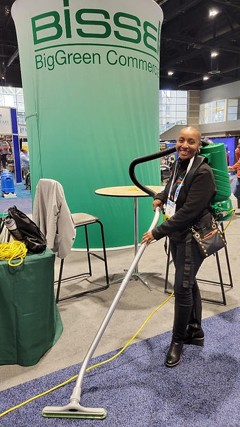
A Mobile Sustainability Kit is a portable, self-contained set of tools and materials intended to help event planners produce low or zero waste events, particularly in areas or venues with limited recycling and composting infrastructure. Although the prevailing wisdom is that only states with more stringent environmental laws provide the necessary networks to support creating sustainable events, the reality is that the infrastructure for organics composting and material reclamation exists in every state.
Here is your guide to the top 15 event industry trade shows in the United States for 2026.
Eleven Madison Park, the first restaurant in the world to be awarded three Michelin stars for a plant-based menu, recently went back to an omnivore-friendly selection to improve inclusivity and its bottom line. While some people have fully embraced a plant-based diet, many others have dabbled in eating more plants and eating healthier. In the vein of Dry January, some people start off the year eating vegan for the first month, participating in what is now called Veganuary, to reset their system after the indulgence of the holidays.
Venues often have strict cleanliness clauses and they expect you to return the venue to them in the same or better state than you took possession of it. You can lose your deposit or be charged high post-event cleaning and damage fees. If you are serving food and don't maintain cleanliness standards ordained by the county board of health, you may face legal and liability costs. Health code violations, lawsuits, and increased insurance premiums can result if an attendee becomes injured or falls ill.
Workman's Compensation insurance in the cleaning industry is critical. Not only does it provide medical care should an employee become injured, but it also prevents the employer from being sued. Unlike desk jockey jobs (also known as office work), physical labor increases the likelihood of workplace injuries, particularly if the labor is at night and outside. While we don't allow our cleaners to climb up ladders higher than one to two steps, we've been on sites where electrical cords are snaking around, production builds are being constructed with carpentry and paint fumes, and the outdoor terrain has rocks and potholes. Events can be obstacle courses for injuries, even on the best-run productions with the most well-intentioned producers.
In today's experience economy, a successful event isn't just about what you say, but how you make people feel. If your goal is to launch a product, engage key influencers, or deepen client loyalty, you need an activation that transcends the transactional. Enter wellness activations.
A comprehensive cleanliness strategy is essential for protecting an event producer’s finances and a brand’s reputation. This protocol is divided into three critical stages: Pre-Event Preparation, During-Event Maintenance, and Post-Event Restoration.
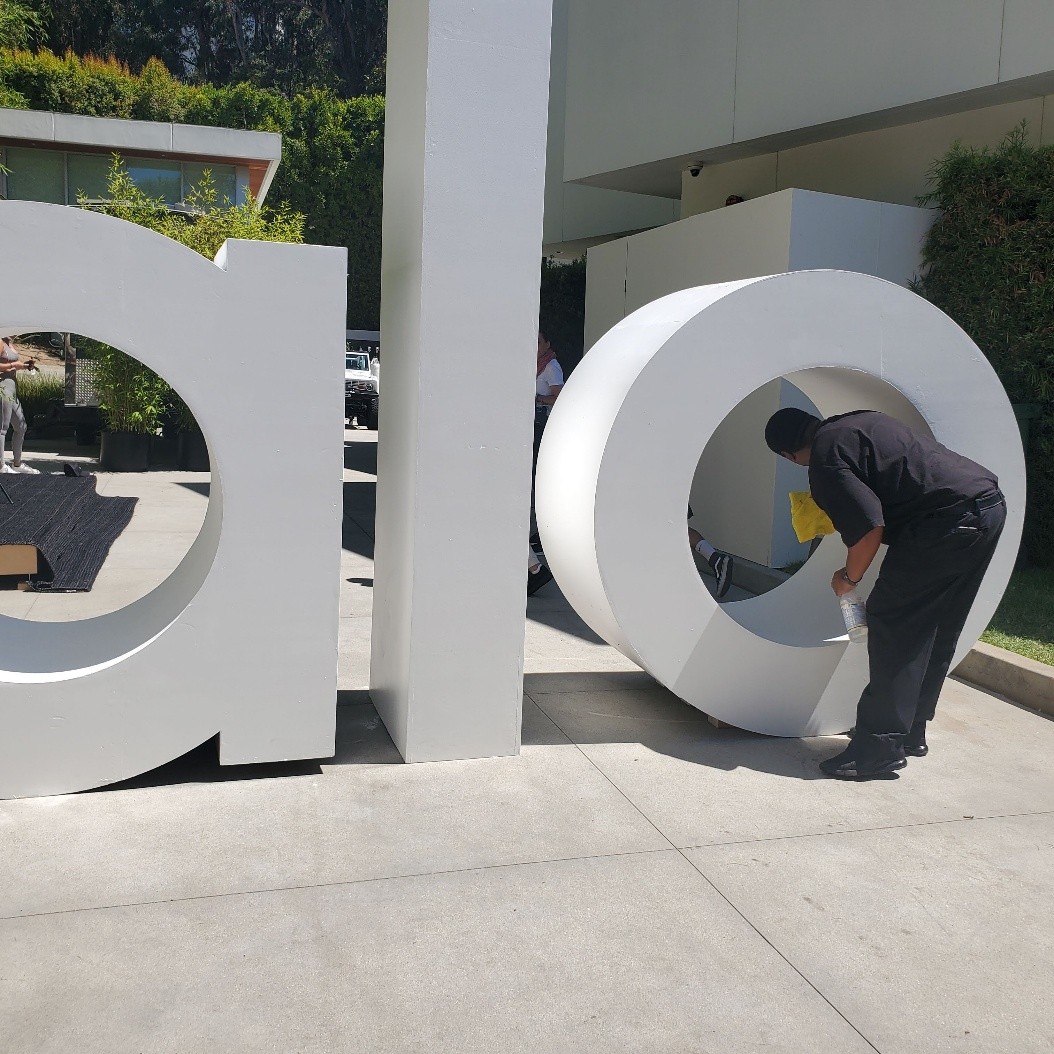
Have you ever walked into an event space—a trade show booth, a brand activation, or a massive concert stage—and been completely immersed by the stunning visuals and detailed environment? The magic you're experiencing is the result of event fabrication.
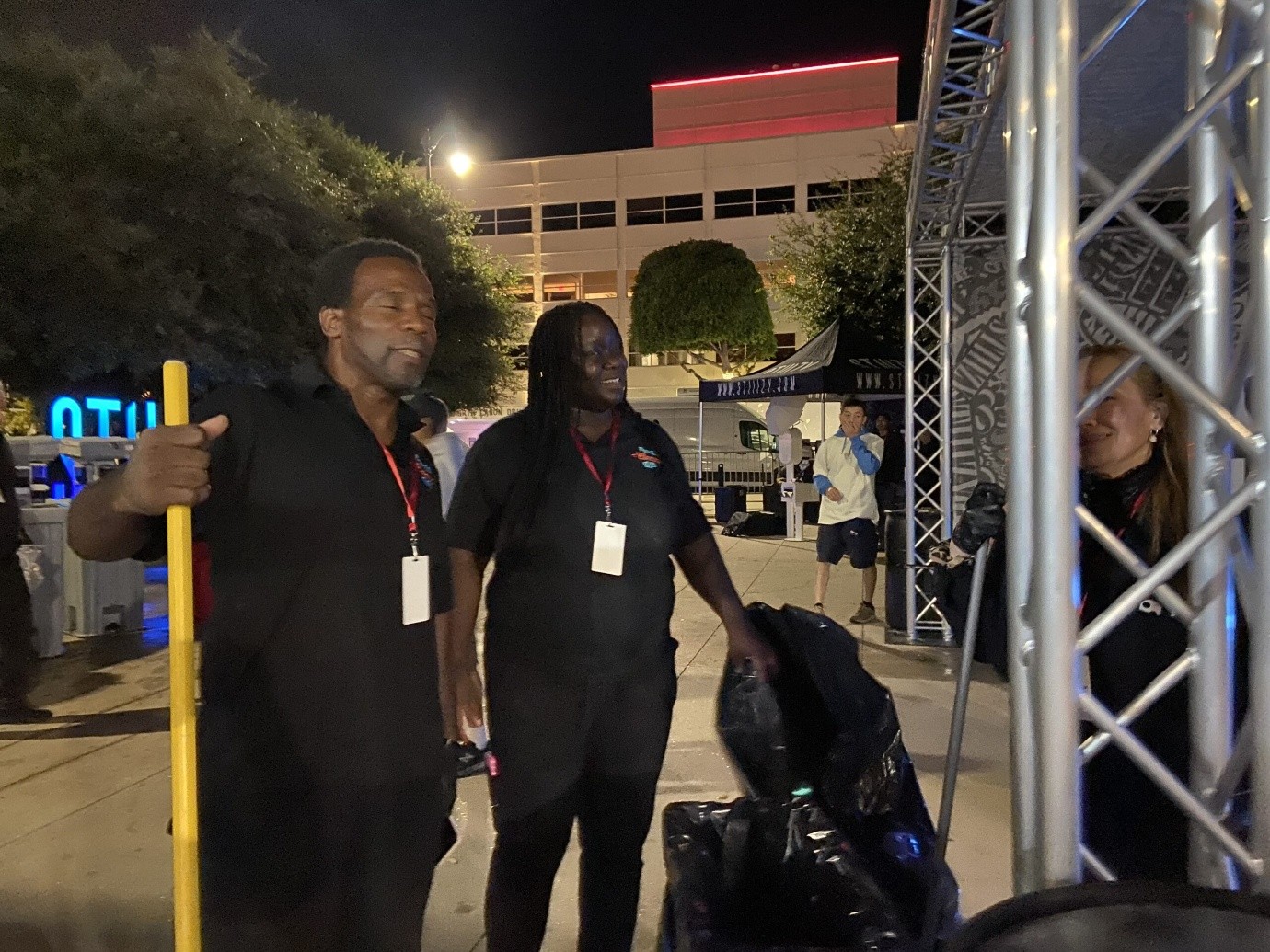
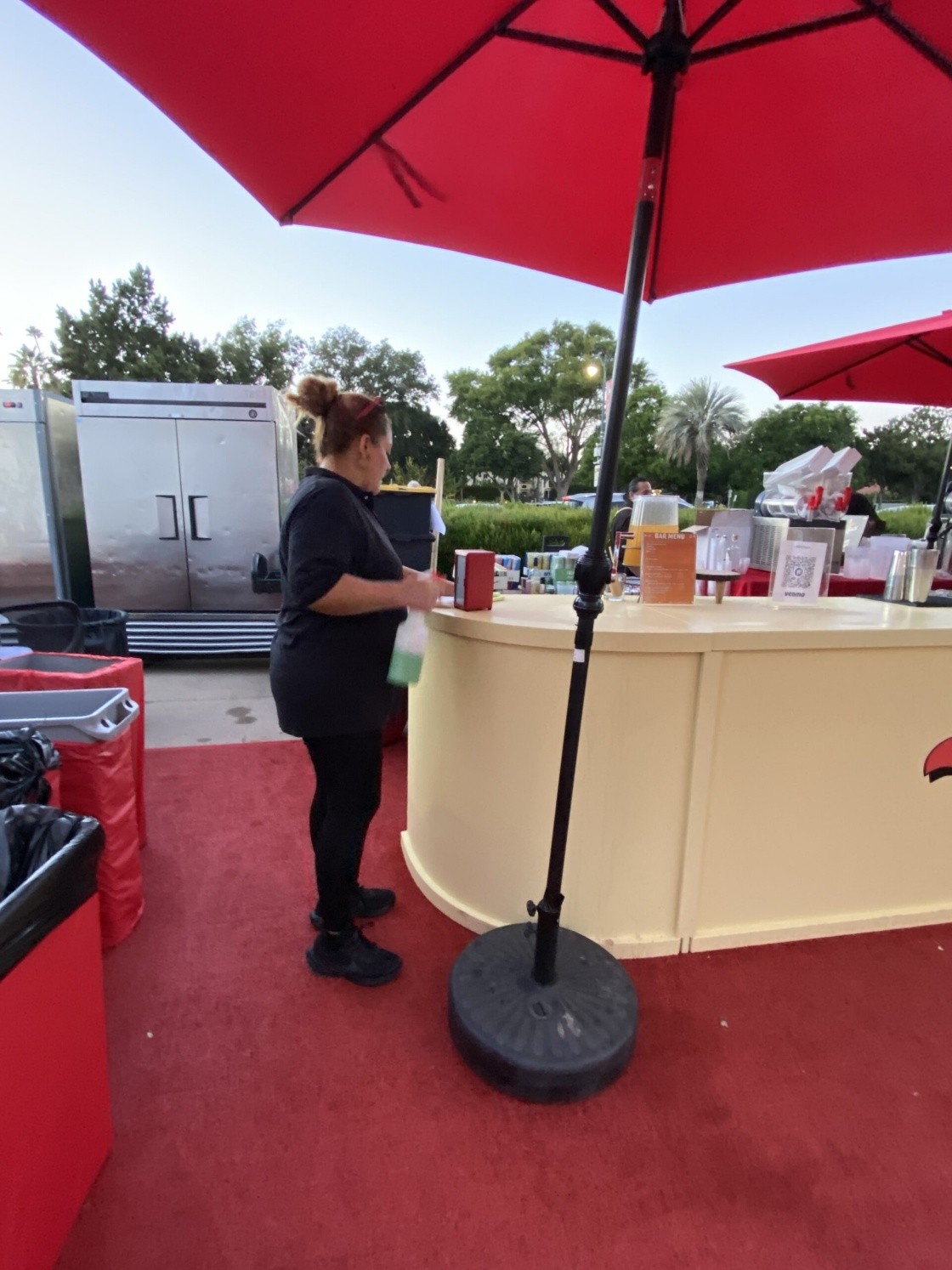
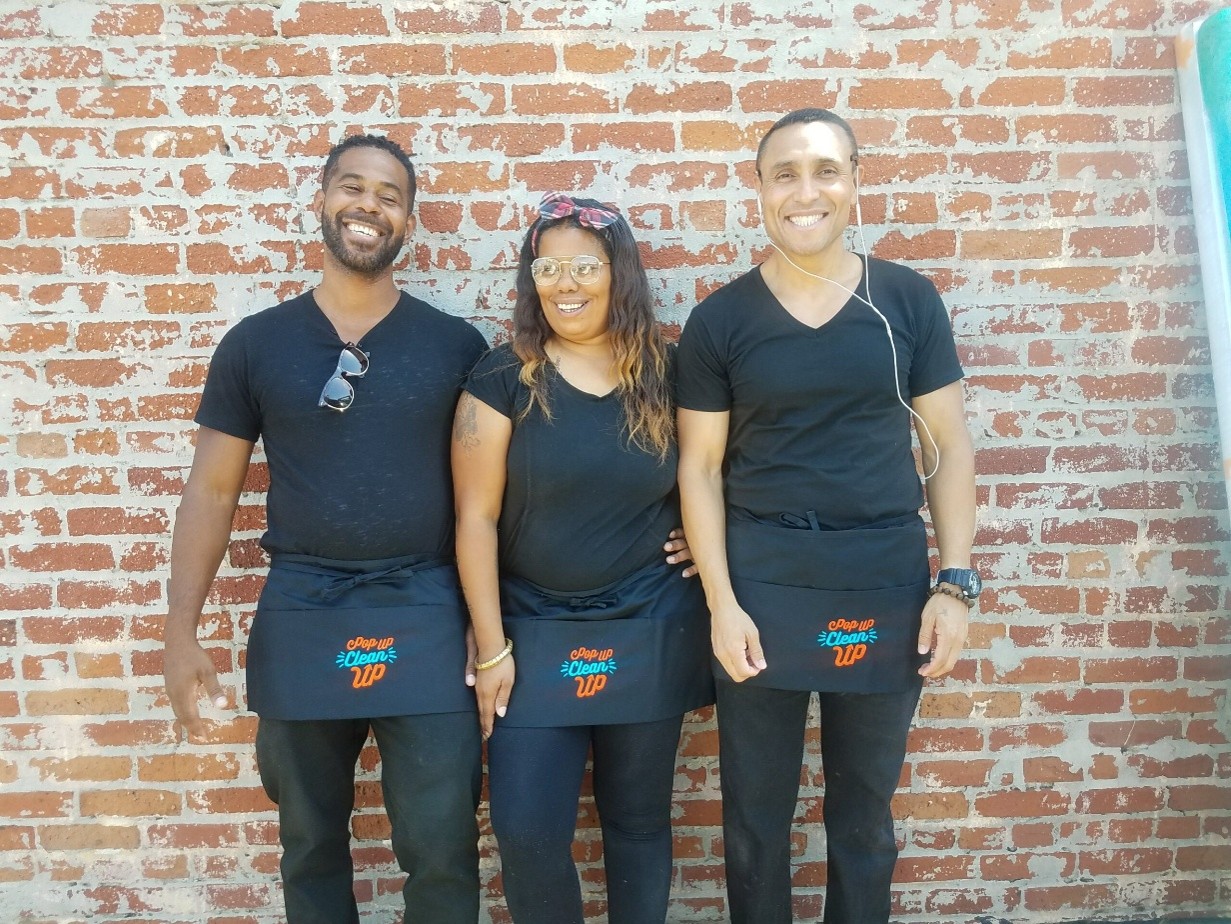
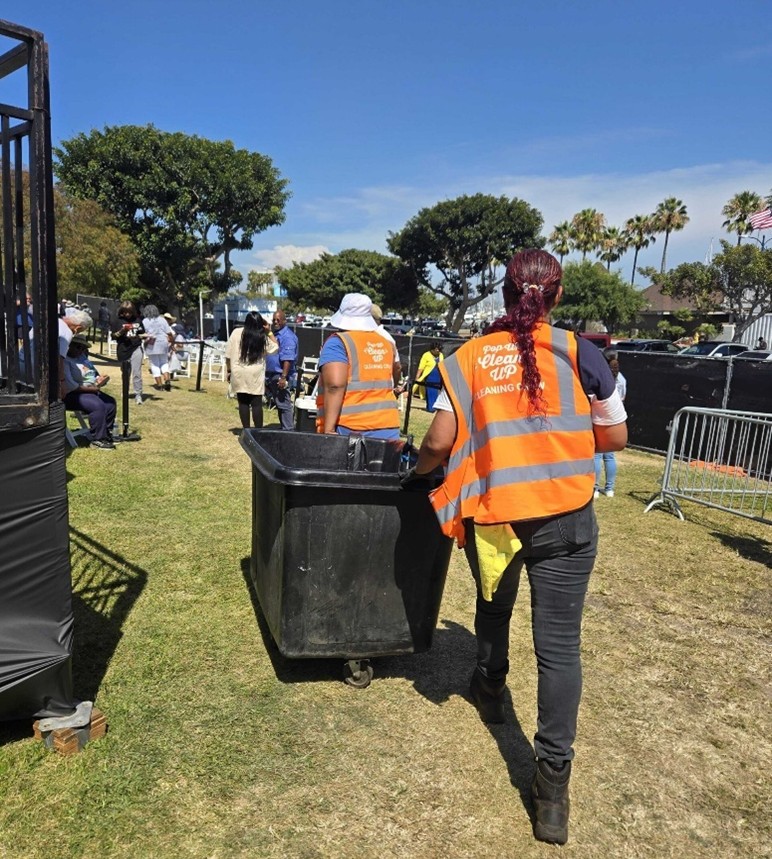
PopUP CleanUP offers a variety of different uniform options to match the tenor and needs of your event. From button down shirts to branded vests and polos, we can provide formality or visibility. While some events, like awards shows and black tie galas, may benefit from black button down attire, for most events, visibility helps both the client and the guests find crew members when assistance is needed and see who our crew members are and that they are at work. Regardless of uniform, all of our cleaners wear closed-toed non-slip shoes.
This week we are turning the spotlight on event producer Bianca Lynn Hammonds who our S1 Episode 5 guest on our podcast Celebrate & Chill. Bianca is a true force in the world of events, content creation, and life coaching. PopUP CleanUP has worked with Bianca on an Amazon Music Live for Thursday night NFL broadcasts, and we've seen firsthand the amazing, inspiring energy Bianca brings to every project. But Bianca is more than just a talented producer; she’s an inspiring example of how to navigate career setbacks, harness adaptability, and use life's challenges to build a stronger foundation for yourself. Here's an unpacked look at her journey—from the world of television to launching major cultural events, and how two devastating layoffs ultimately led her to her calling as a life coach.
Planning an event with food vendors, from a small fair to a large festival, means planning for the safe and responsible disposal of Used Cooking Oil (UCO). Improper disposal, like dumping oil down drains or on the ground, is illegal, environmentally harmful, and can result in significant fines. To help you manage UCO effectively and ensure compliance, we've broken down the process into a simple, three-part checklist based on the best practices for handling UCO.
We have serviced food festivals before, and as is the case with any event serving vast quantities of food, there are many moving logistical parts and many areas where those logistics can fall off the rails if everyone is not on the same page. For these reasons, it's incredibly helpful to have pre-production meetings involving all of the vendors to ensure communication and prevent unnecessary issues from occurring.
Recently, we were hired to provide live and post-event cleanup for a gender reveal party that included a confetti canon. It was an incredibly windy day, and the party was in an outdoor backyard garden at a private home next to a hillside that belonged to their neighbor. The confetti canon blew. The wind picked it up and blew it away, spreading the confetti all over the hillside. The client called and asked us to clean up the hillside which was not the address contracted and presented a number of different challenges.
As we discussed in this blog post, Construction vs. Event CleanUP, construction cleaning involves a different set of protocols including more protective PPE, heavy duty chemicals and more sophisticated equipment. On another level, construction cleanup can also subject workers to other hazards, one of which is exposure to asbestos. Used for thousands of years dating back to the Stone Age, asbestos is made of long, thin fibrous crystals called silicate minerals which are toxic and carcinogenic. While many of these fibers are carried away our coughed up in a layer of mucus that protects our lungs, some fibers will lodge into lung tissues where they cause damage for decades until the victim becomes terminally ill with mesothelioma, asbestosis, or lung cancer.
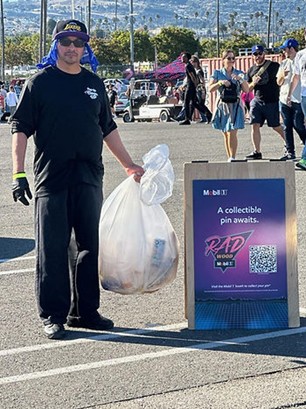
For any event, trash removal and on-site waste solutions are paramount for making the event go smoothly and reducing the amount of work post-event. Whether it's waste from concession stands or food trucks, swag, floral arrangements, or party decor, events generate monumental amounts of trash. Most event venues do not have the capacity for trash generated, particularly outdoor parks and residential locations. For this reason, dumpsters become necessary—but how many do you need?
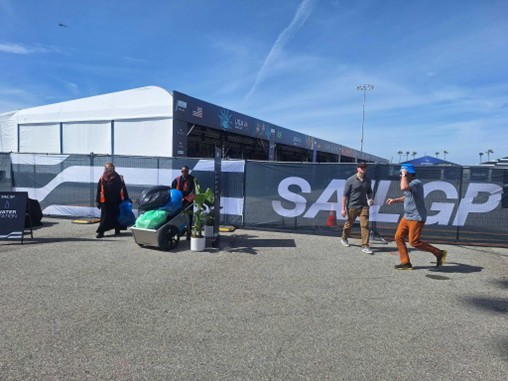
Sail Grand Prix is an international sailing competition featuring national teams racing high-speed hydrofoil F50 catamarans in various cities around the world including Long Beach, San Francisco and New York among others. This year, PopUP CleanUP was commissioned to clean for the Long Beach leg of the multi-city competition where NorthStar Canada won, skippered by Giles Scott.
Earlier, we posted an article, How Many Porters Do I Need for My Event? where we stated that while we generally suggest one cleaner for every 250 people (except one might want two cleaners for the first 250 and sometimes three for up to 500), however, as your event scales in size, that 1:250 person ratio expands, unless your scope of work does as well. Staffing in general depends upon the following parameters:
Andy Warhol once said in the future, everyone will be famous for fifteen minutes. With social media, that future has already come and gone, but if he were around today, Warhol might have revised his dictum to: in the future, everyone will have their own podcast.
Yes, most of us are heading into the dog days of summer with a mindset for easy beach reads and spine tingling thrillers. Sure, there are also some literary gems in the mix, page turners that somehow also feel edifying because they are so well written, but this is hardly the time when people think, "Oh I should bust out that opus on accounting." However, August is usually a slower month for service-based businesses (restaurants and bars aside) as many people go on vacation, and now is actually the perfect time to fit in some entrepreneurial learning in between your Taylor Jenkins Reid and James Patterson.
SB 54, also known more extensively as the Plastic Pollution Prevention and Packaging Producer Responsibility Act, went into effect in March (2025). Because packaging makes up for more than 50% of what we dump into landfills by volume according to the CalRecycle webpage devoted to explaining this law, SB 54 was passed to reduce our dependence on disposables and make producers accountable for creating waste that does not degrade.